AI Engineering &Tech Excellence
Expert articles on artificial intelligence, computer vision, MLOps, and software engineering. Practical insights from real-world projects and cutting-edge research.

Featured Articles
Hamza Boughanim · 4 articles
Expert articles on artificial intelligence, computer vision, MLOps, and software engineering.
 15 min
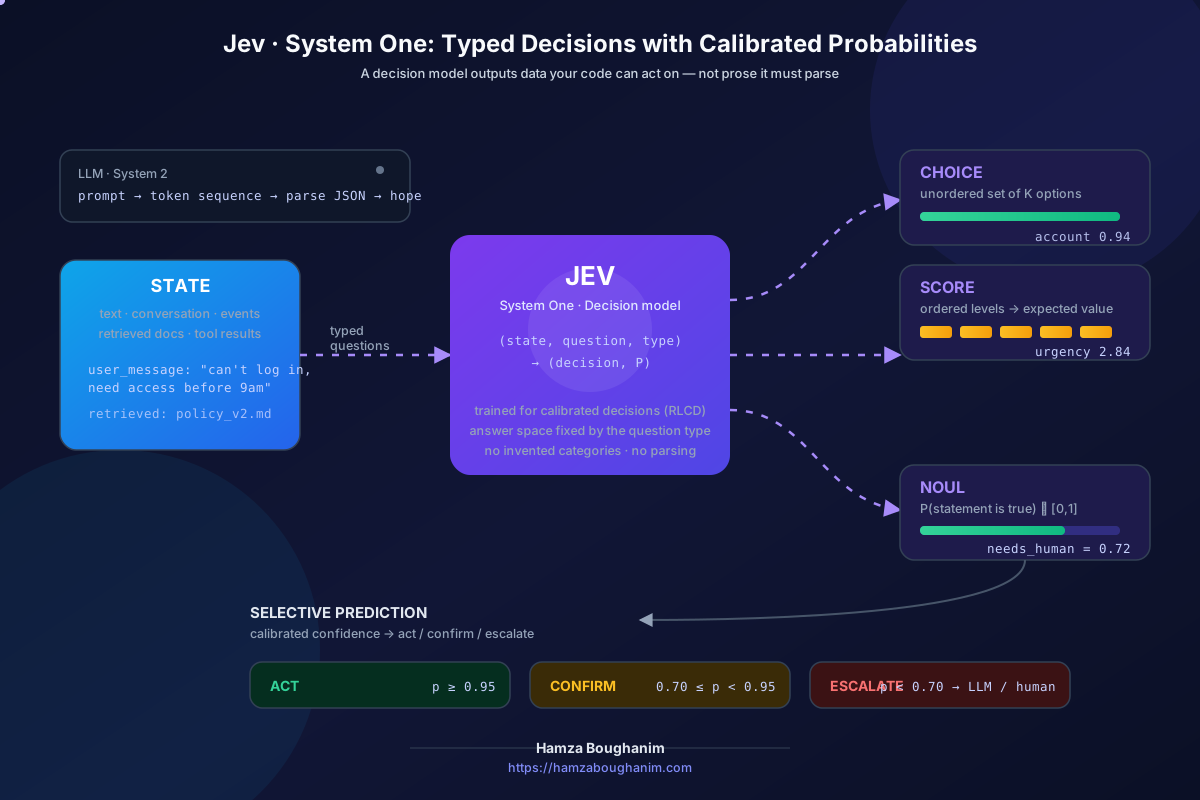
Jev and the System One Model: Typed Decisions with Calibrated Probabilities
AI Engineering · Oct 1, 2026
 14 min
Transformer Model Families: One Architecture, Six Ways to Use It
Machine Learning · Sep 10, 2026
 16 min
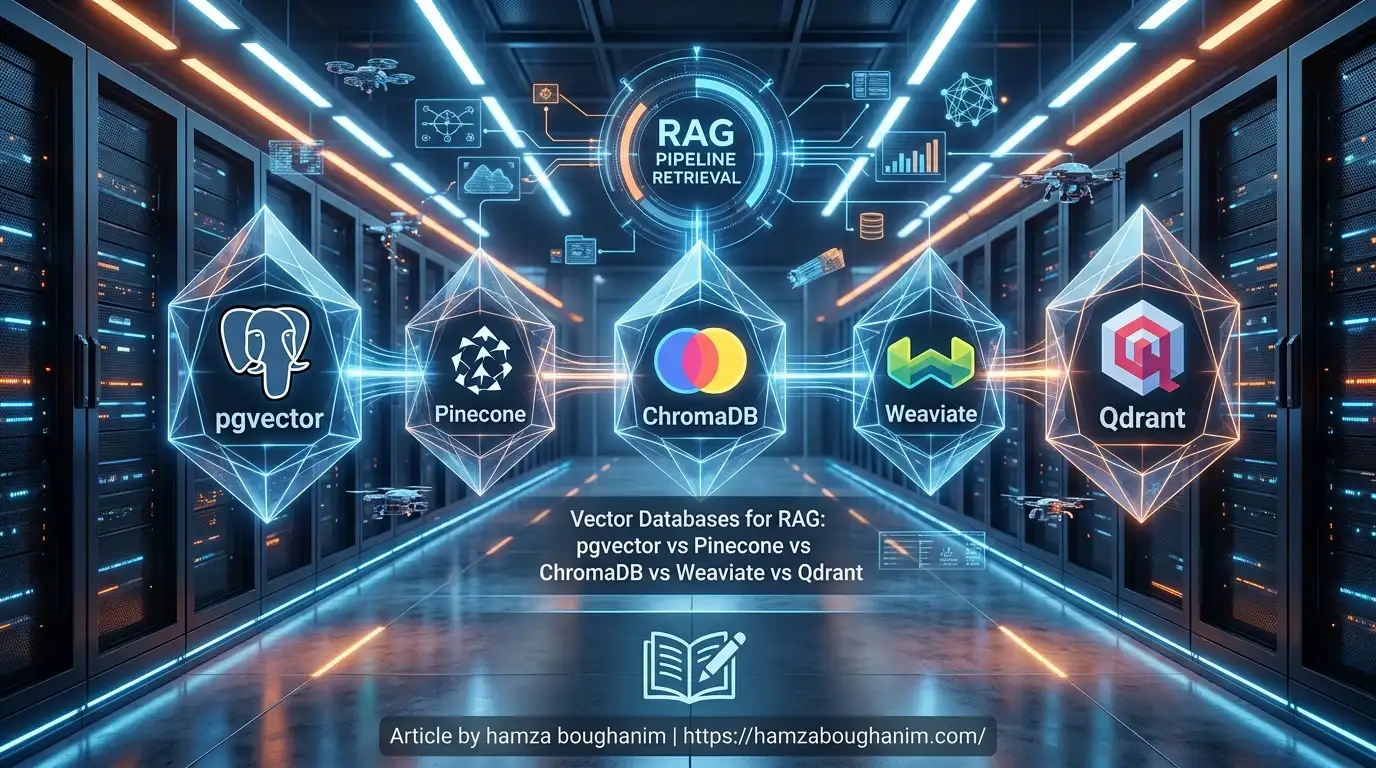
Vector Databases for RAG: pgvector vs Pinecone vs ChromaDB vs Weaviate vs Qdrant
AI Engineering · Aug 31, 2026
 15 min
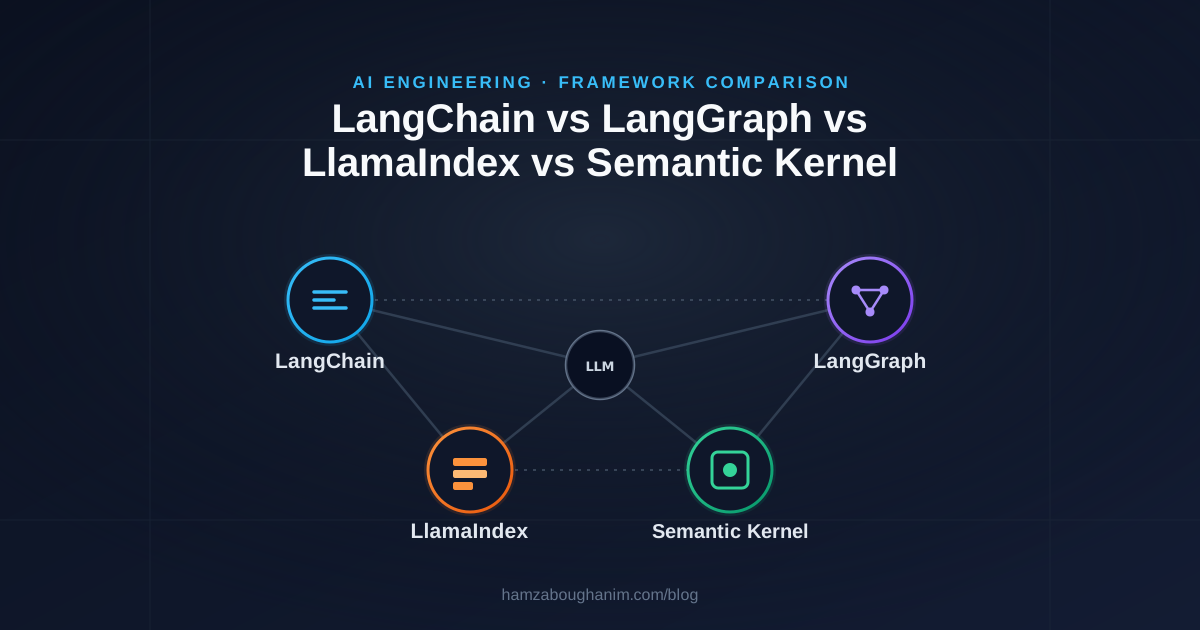
LangChain vs LangGraph vs LlamaIndex vs Semantic Kernel: Which LLM Framework Should You Use?
AI Engineering · Aug 30, 2026
All Articles
16 articles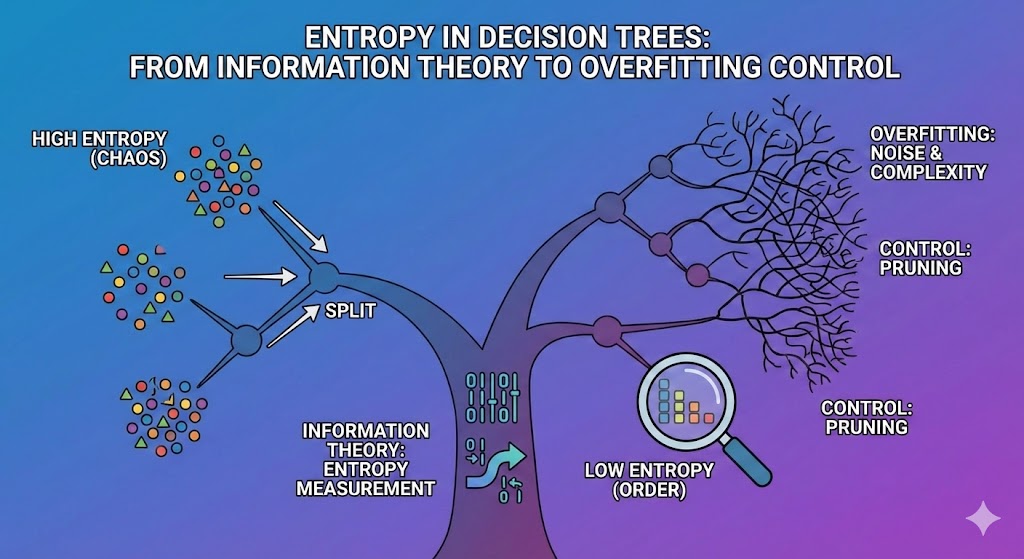 12 min
Entropy in Decision Trees: From Information Theory to Overfitting Control
An expert-level exploration of entropy in decision trees, explaining how uncertainty reduction drives learning, why greedy entropy minimization leads to overfitting, and how modern constraints restore generalization.
 10 min
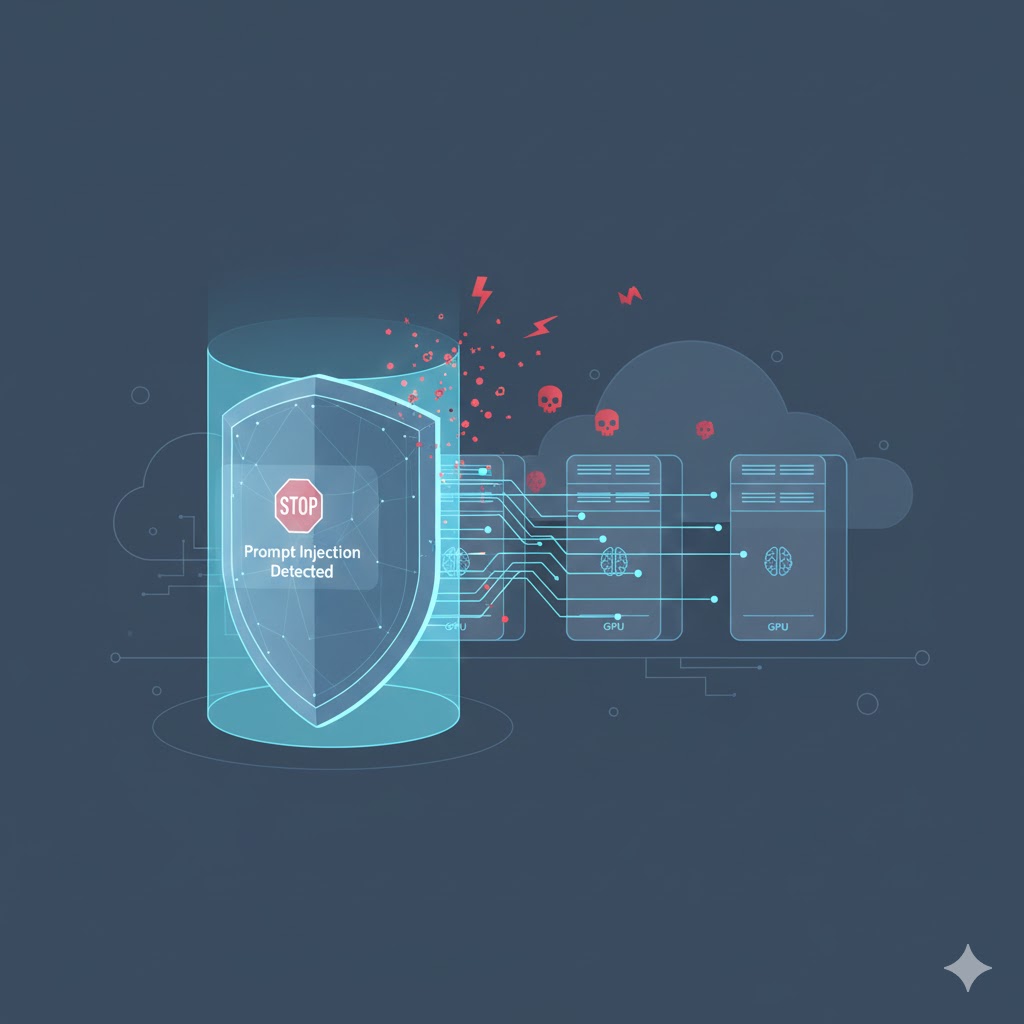
Building a Zero-Trust AI Backend with Argon2: Security by Design, Not by Chance
A behind-the-scenes tour of a production-grade AI API that marries GPU-resistant Argon2 passwords, Zero-Trust micro-segmentation, infra-level prompt firewalls and scoped 60-second JWTs—so attackers stealing everything still can't exceed 128 tokens.
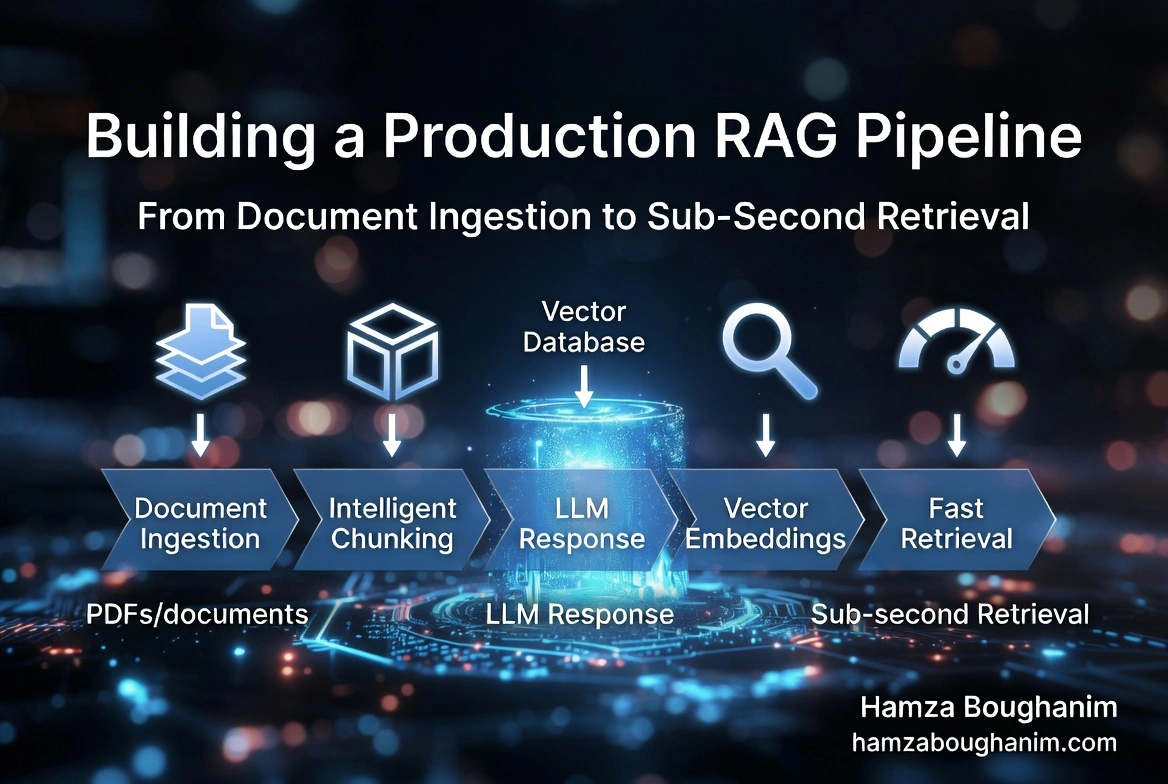 14 min
Building a Production RAG Pipeline: From Document Ingestion to Sub-Second Retrieval
A complete walkthrough of a production-grade Retrieval-Augmented Generation system — document ingestion, chunking strategy, embedding models, pgvector indexing with HNSW, reranking, and a FastAPI serving layer.
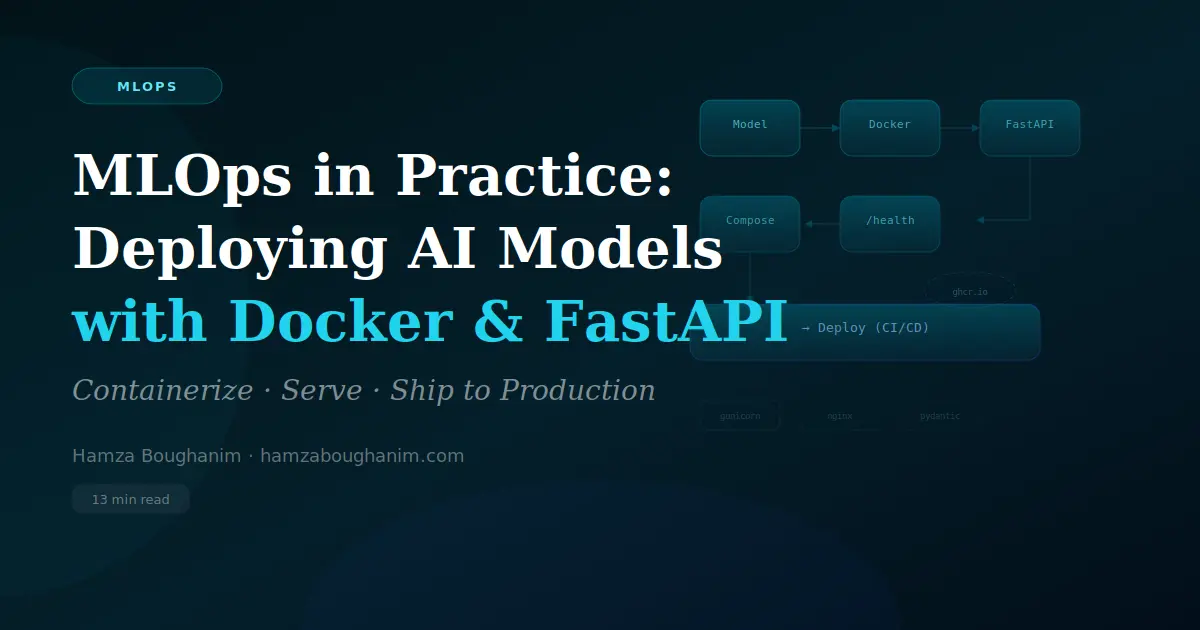 13 min
MLOps in Practice: Deploying AI Models with Docker and FastAPI
A complete production guide to containerizing and serving machine learning models — covering FastAPI model servers, multi-stage Docker builds, GPU support, health checks, Docker Compose orchestration, and a CI/CD pipeline with GitHub Actions.
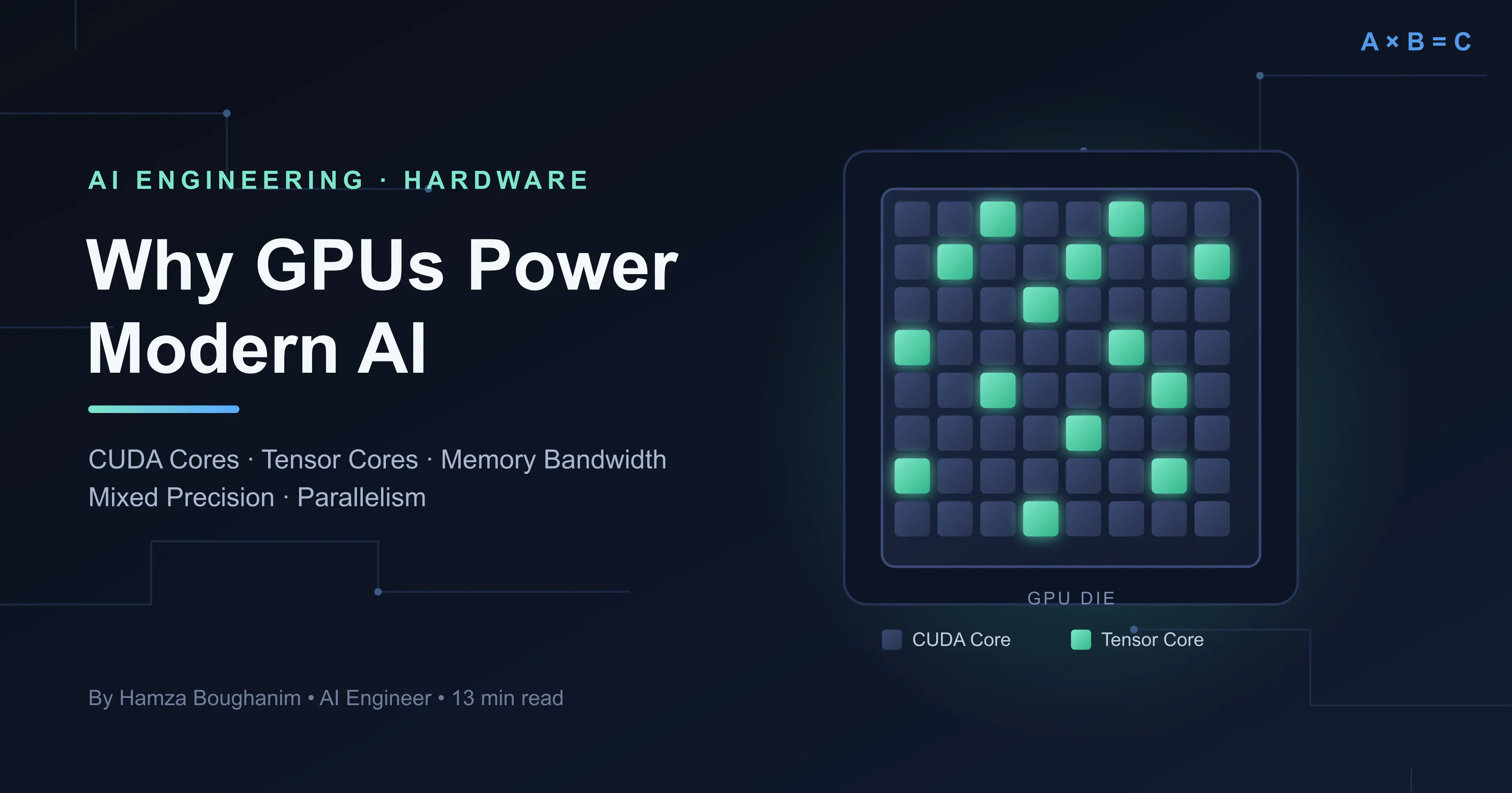 13 min
Why GPUs Power Modern AI: CUDA Cores, Tensor Cores, and the Memory Hierarchy Behind Deep Learning
An engineer's guide to the hardware behind deep learning — why matrix multiplication chose GPUs, how CUDA cores and Tensor Cores actually differ, why VRAM bandwidth (not just size) decides your training speed, and how mixed precision and parallelism let modern models scale past a trillion parameters.
 13 min
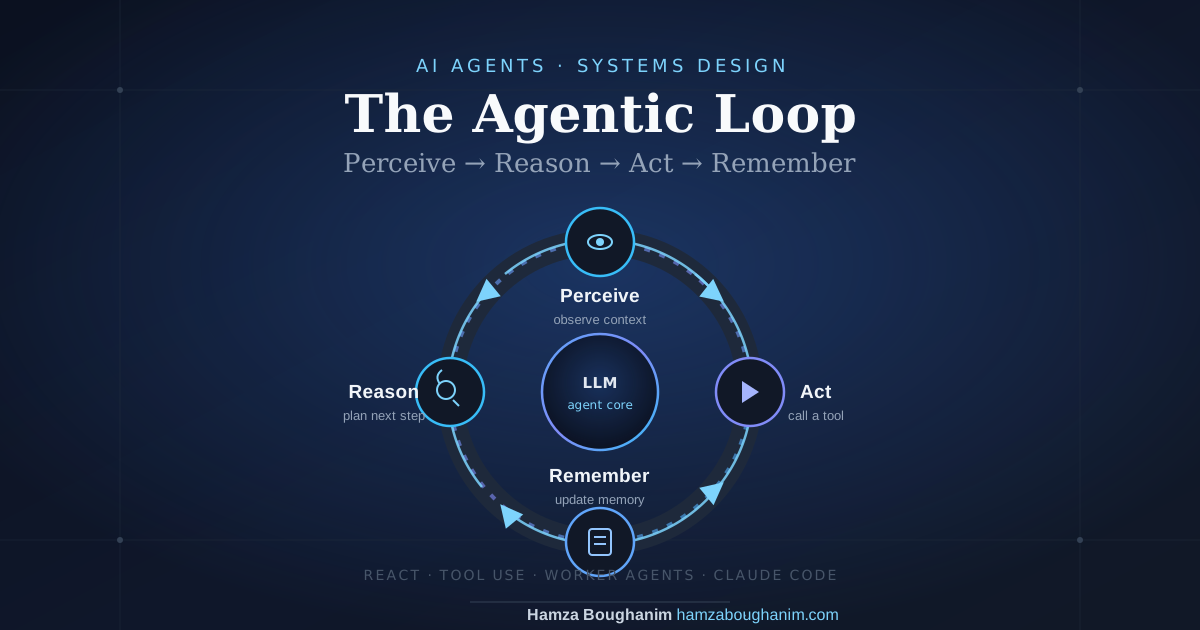
The Agentic Loop: How AI Agents Reason and Act
The perceive-reason-act-remember loop behind Claude Code and every AI agent — explained with a working Python example and design patterns.
 12 min
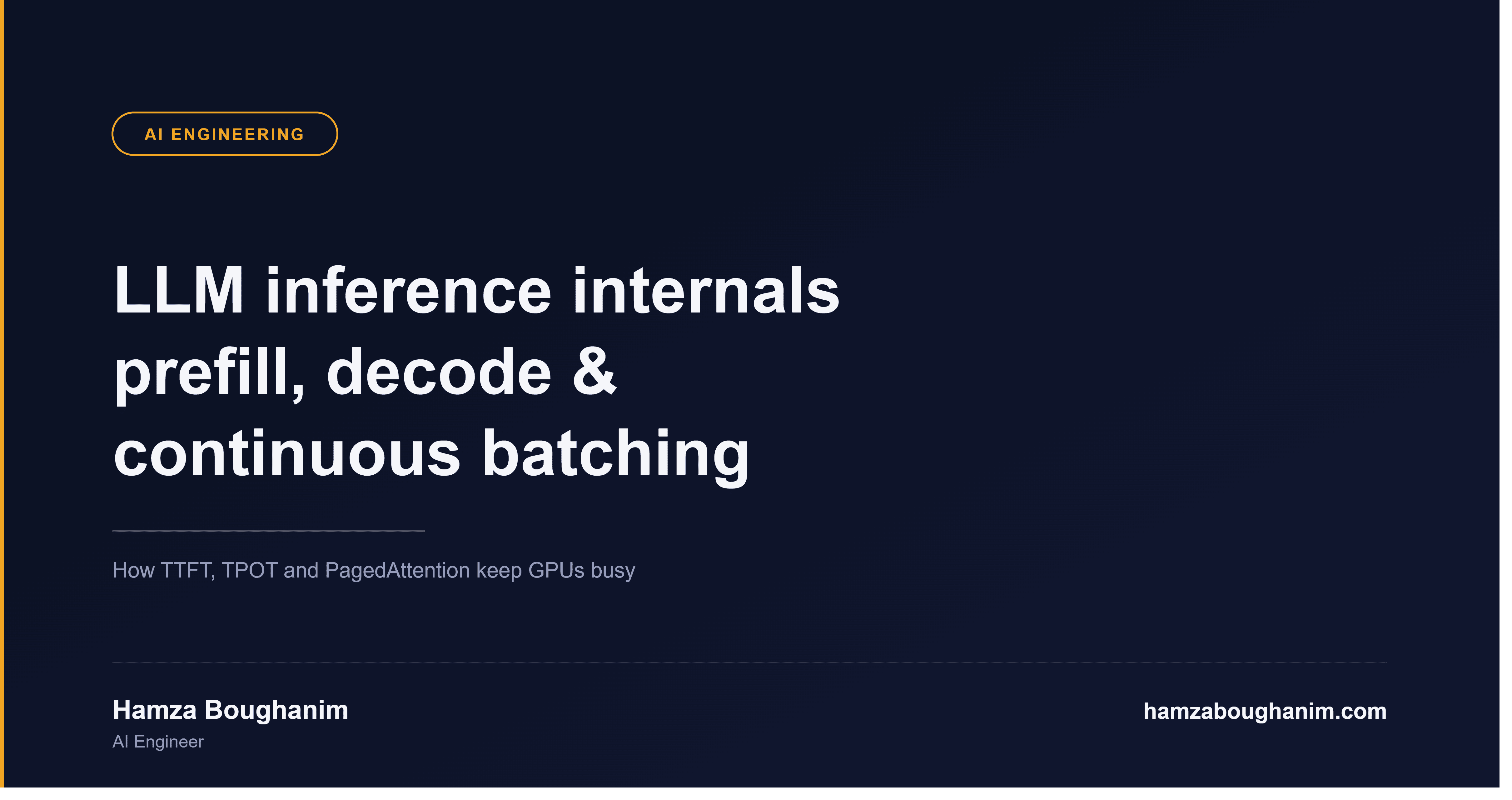
How LLM Inference Really Works: Prefill vs Decode
An expert-level breakdown of how LLM inference actually works under the hood — why prefill and decode put opposite pressure on a GPU, what TTFT and TPOT really measure, and how continuous batching and PagedAttention turn idle GPU cycles into served requests.
 18 min
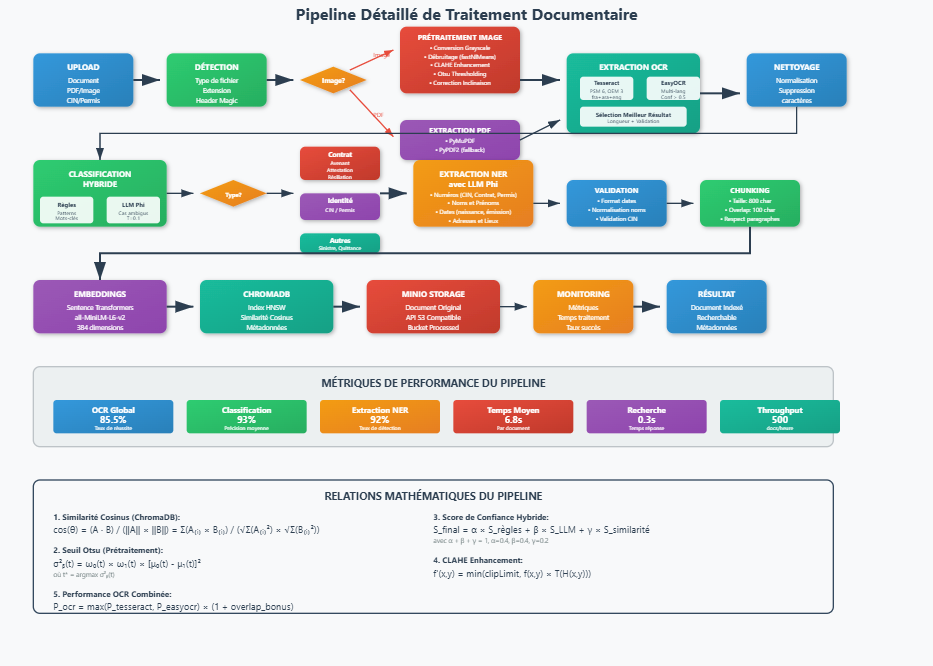
Intelligent Document Processing for Insurance: Hybrid OCR, a Local LLM, and Vector Search at 91.3% Accuracy
A full engineering breakdown of a production document-AI system for the insurance sector — dual-engine Tesseract/EasyOCR fusion, Phi-3 running locally through Ollama for classification and NER, ChromaDB semantic search over HNSW, and MinIO storage. Architecture, benchmarks on 760 documents, GDPR design, and the limitations nobody publishes.
 14 min
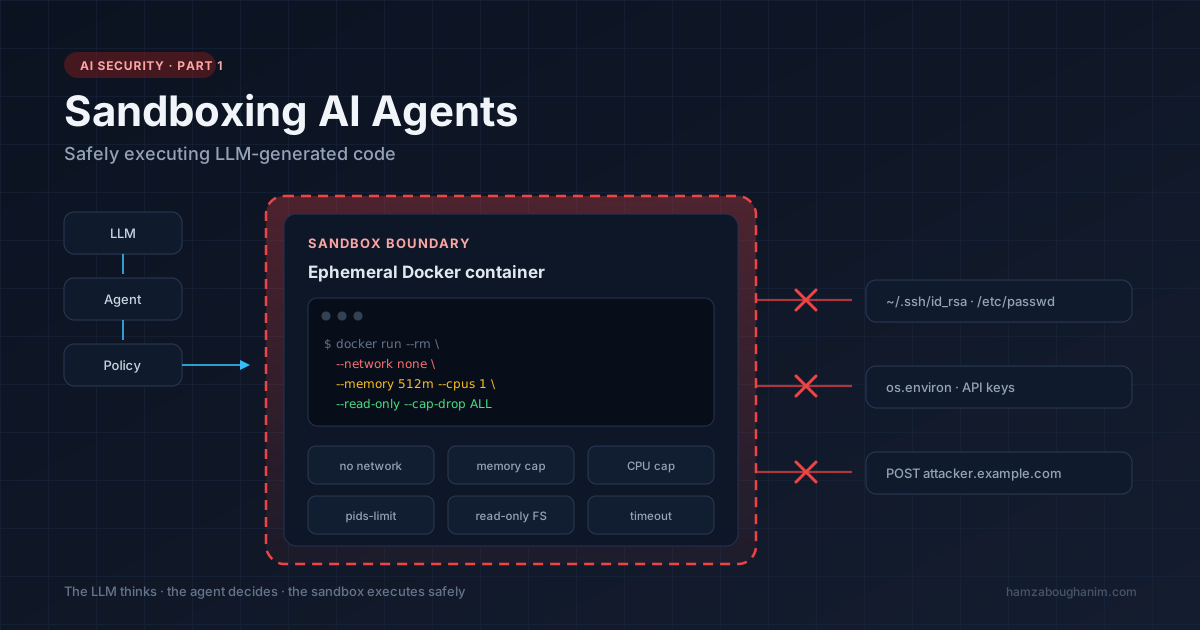
Sandboxing AI Agents: How to Safely Execute LLM-Generated Code
Once an agent can execute code, every hallucination and prompt injection becomes an action on your machine. A practical guide to Docker-based sandboxing for LLM-generated code — the flags that matter, syscall filtering, filesystem mounts, and where containers stop being enough.
 12 min
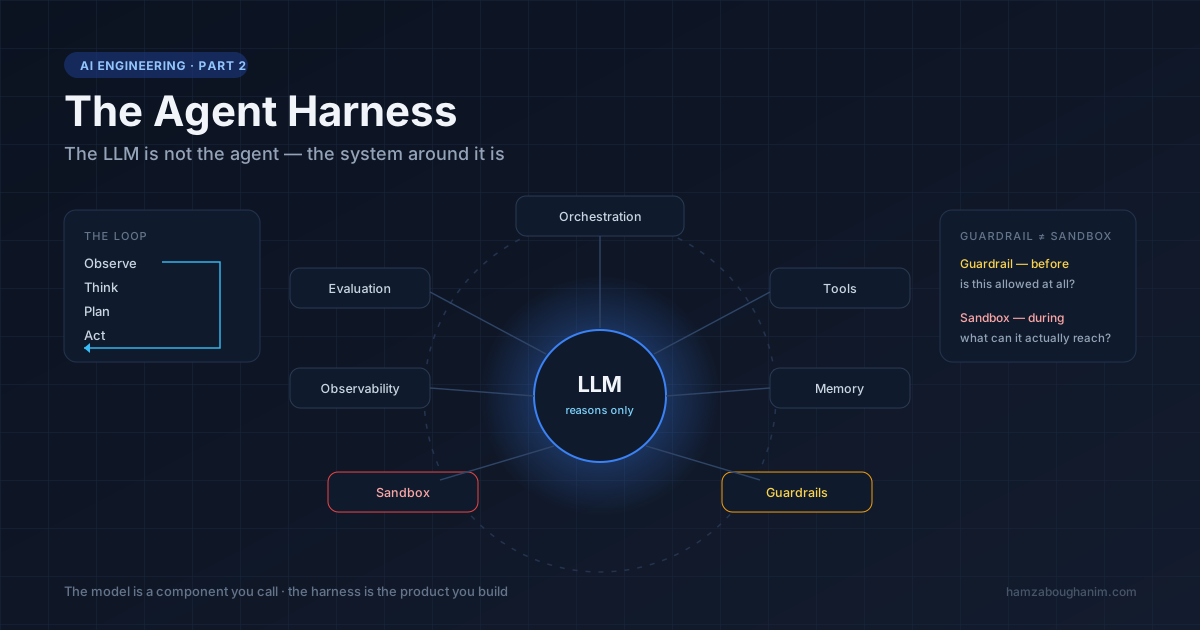
The Agent Harness: The System Around the LLM
A mediocre model in a well-designed harness beats a frontier model dropped into a chat loop. The seven components that turn a language model into an agent — orchestration, tools, memory, guardrails, sandbox, observability and evaluation — and what breaks when each is missing.
 13 min
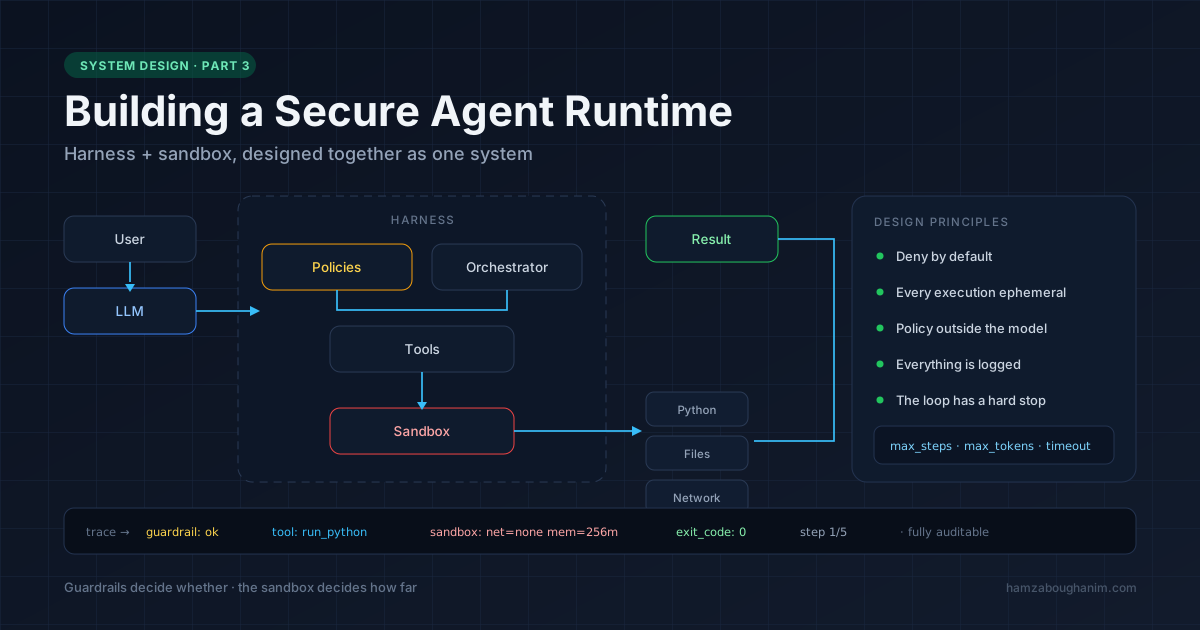
Building a Secure Agent Runtime: Combining Harness and Sandbox
Sandboxing answers how to contain execution. The harness answers what decides when, what's allowed, and whether it worked. This is what you get when you stop treating them as separate problems — a full architecture plus a ~70-line reference runtime.
 9 min
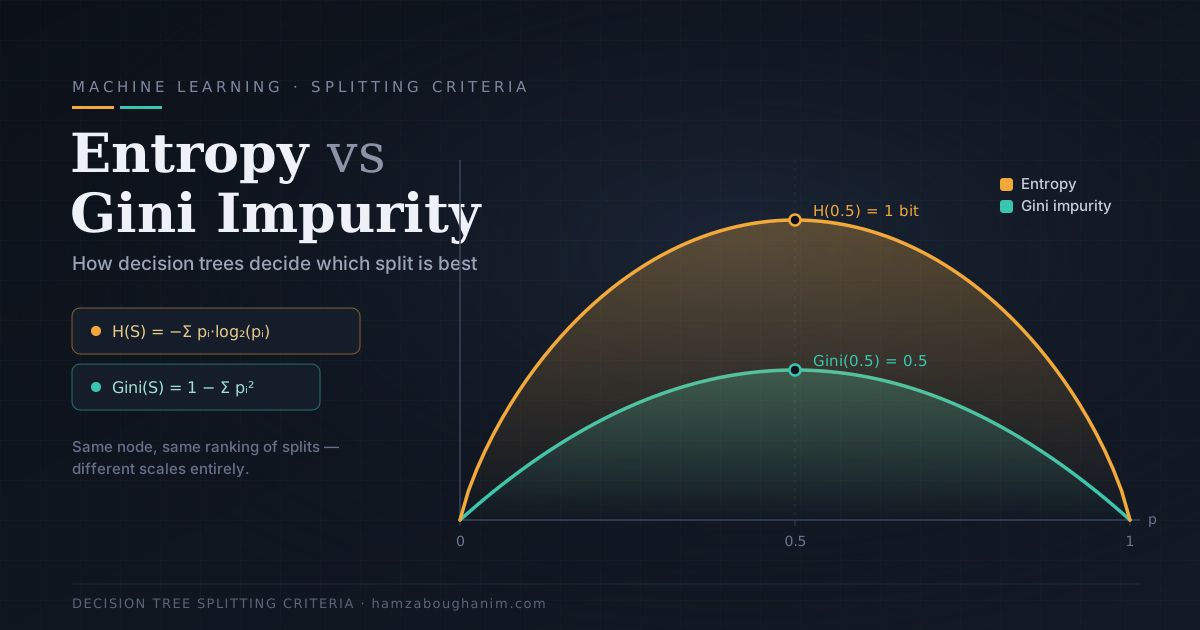
9 minEntropy vs Gini Impurity in Decision Trees: Formula, Differences & Examples
A search-intent-focused breakdown of entropy and Gini impurity as decision-tree splitting criteria — formulas, a shared worked example, a side-by-side comparison table, scikit-learn code, and a clear answer to which one to use and when.
16 minVector Databases for RAG: pgvector vs Pinecone vs ChromaDB vs Weaviate vs Qdrant
You've built a RAG pipeline. Documents are chunked, embeddings are generated. Now where do they live? A complete comparison of pgvector, Pinecone, ChromaDB, Weaviate, and Qdrant — with benchmarks, cost analysis, a decision framework, and migration strategies.
15 minLangChain vs LangGraph vs LlamaIndex vs Semantic Kernel: Which LLM Framework Should You Use?
Four frameworks keep showing up in every LLM stack discussion, and they solve overlapping but distinct problems. A practical, code-backed comparison of LangChain, LangGraph, LlamaIndex and Semantic Kernel — what each is actually for, where they overlap, and how to decide.
14 minTransformer Model Families: One Architecture, Six Ways to Use It
BERT, GPT, T5, ViT, CLIP, and Mamba all descend from the same 2017 attention block, yet they solve completely different problems. A guided tour of the six transformer families — what each one keeps, what it throws away, and which one actually fits your task.
15 minJev and the System One Model: Typed Decisions with Calibrated Probabilities
Jev is not a smaller ChatGPT. It is a model whose output is a typed decision plus a probability, not a paragraph. A first-principles explanation of System One, the Choice / Score / Noul primitives, calibration, selective prediction, what independent benchmarks found, and what is still not public.